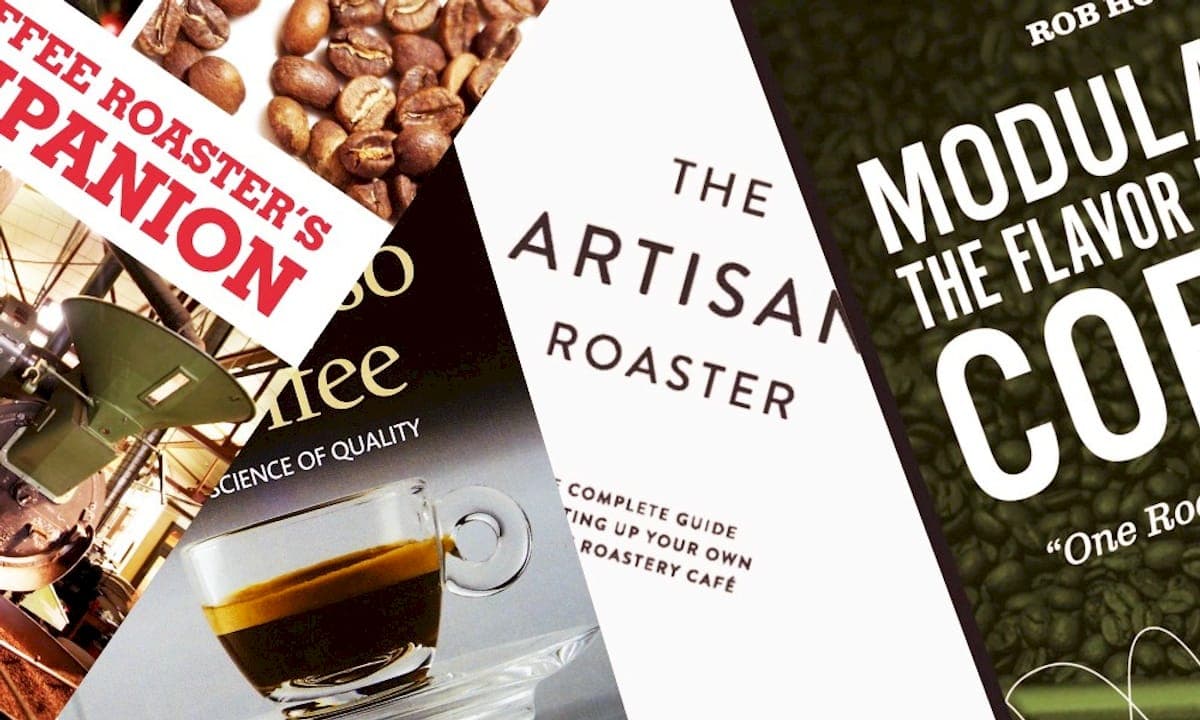
A coffee roasting book is defined as a structured reference that covers the science, technique, history, and sensory evaluation of transforming green coffee beans into a drinkable, flavorful product. The best roasting books do more than list temperatures and timings. They explain why each decision matters, from the chemistry of the Maillard reaction to the audible cues of first crack. Lyons Den Publishers approaches this subject through The Complete World of Coffee, a reference that treats roasting not as a single chapter but as a discipline worthy of deep, sustained study. For coffee enthusiasts and aspiring roasters, a quality coffee roasting guide is the fastest path from curiosity to competence.
What core topics do roasting books cover?
A coffee roasting guide covers three foundational areas: the phases of a roast, the chemistry driving each phase, and the sensory outcomes that result. Understanding all three is what separates a roaster who produces consistent results from one who guesses.
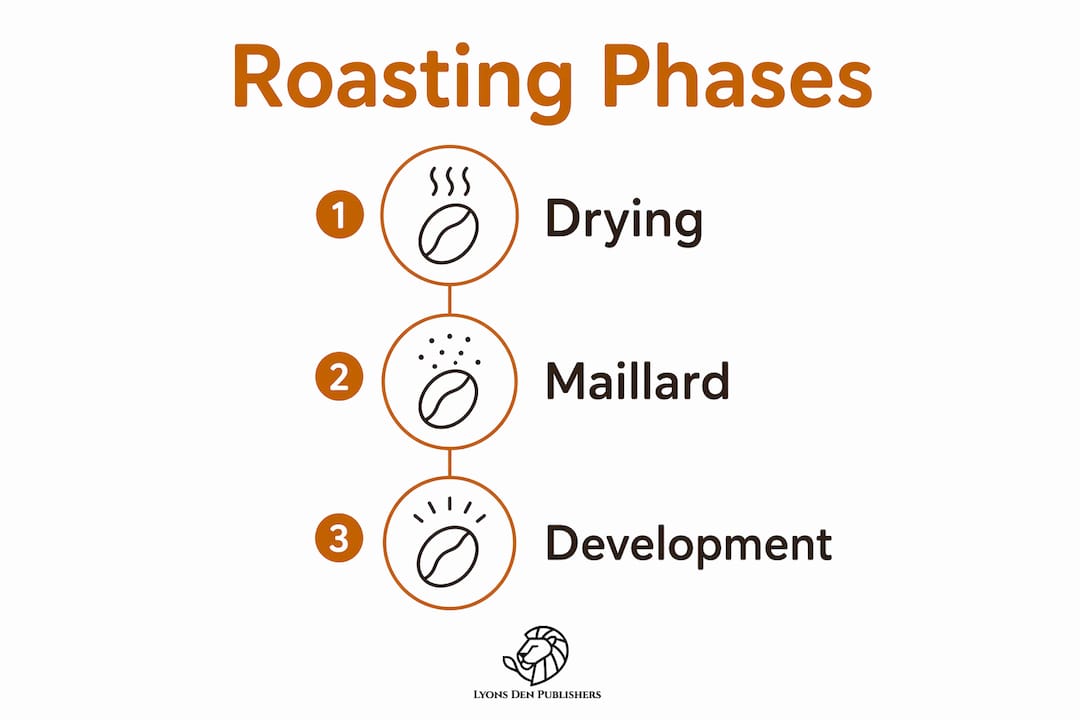
The three phases of a roast
Roasting transforms green beans by unlocking over 800 aromatic compounds and making the bean soluble for brewing. That transformation happens across three distinct phases.
-
Drying phase. Green beans contain significant moisture. The first stage of roasting drives off that water, typically between 160°C and 180°C. No browning occurs yet, but this phase sets the foundation for even heat penetration.
-
Maillard reaction phase. Between roughly 150°C and 200°C, amino acids and reducing sugars react to produce hundreds of flavor and aroma compounds. This is where coffee develops its characteristic brown color and most of its complexity.
-
Development phase. After first crack, the roaster controls how far the bean develops. A short development time preserves brightness and fruit notes. A longer development pushes toward sweetness, body, and eventually bitterness.
A typical specialty roast cycle lasts 8–14 minutes across these three phases. The full session, including preparation and cooling, takes about 15–25 minutes per batch. That tight window is why roasting books spend so much time on phase management.
Roast levels and flavor outcomes
Light roasts preserve the origin character of the bean: floral notes, fruit acidity, and terroir-driven complexity. Medium roasts balance origin character with roast-derived sweetness. Dark roasts shift flavor almost entirely toward roast character, with caramelized sugars and low acidity dominating.
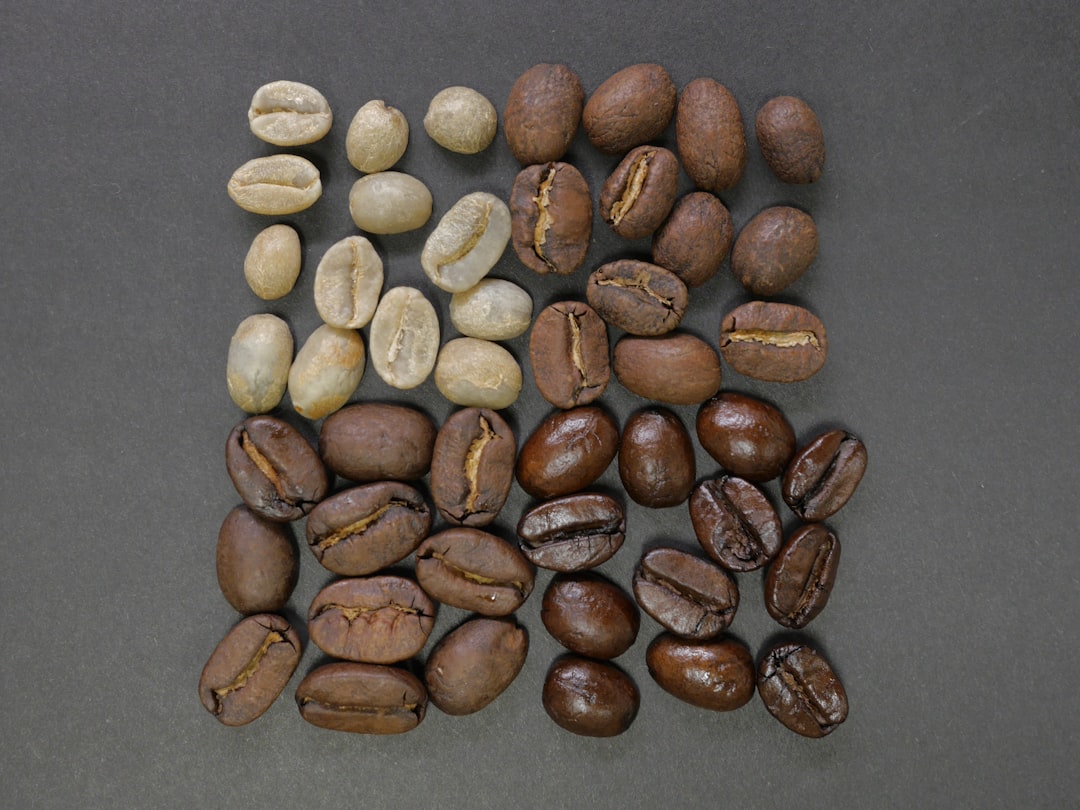
Balancing bitterness and acidity is the primary goal of roasting, not simply hitting a target roast level. The best roasting books teach readers to read the bean, not just the thermometer.
Pro Tip: Track your roast color using an Agtron or color tile reference system. Visual color is a faster feedback tool than temperature alone, especially for beginners building their first roast profiles.
How do roasting books guide home roasters?
Home roasting sits at the intersection of consumer curiosity and craft skill. Home roasting bridges the gap between buying pre-roasted coffee and operating a professional roastery, demanding precise control despite simpler tools.
Home roasting equipment options
Home roasting equipment spans a wide range of cost and capability. The table below summarizes the main categories.
| Equipment type | Approximate cost | Best for |
|---|---|---|
| Air popcorn popper | Near-free to $30 | First-time roasters testing the basics |
| Heat gun with bowl | $50–$150 | Budget roasters wanting more control |
| Dedicated home drum roaster | $300–$3,500 | Serious hobbyists seeking consistency |
Home roasting equipment ranges from near-free entry-level solutions like air popcorn poppers to advanced drum roasters costing up to $3,500 as of 2026. That cost spectrum means every aspiring roaster can find a starting point, but the equipment ceiling rises quickly as skill develops.
Green bean selection for beginners
Bean choice matters as much as equipment. Experts recommend beginners start with high-density origins such as Brazilian or Colombian beans for consistent results. These beans roast evenly across temperature profiles and help build fundamental skills before moving to more delicate origins like Ethiopian naturals or Kenyan washed lots.
Ventilation and safety
Ventilation is the most underestimated factor in home roasting. A stove hood on recirculate mode is inadequate and can trigger smoke alarms within minutes. Effective home roasting requires direct venting outside to manage smoke, chaff, and carbon monoxide buildup, especially with gas equipment. Quality roasting guides dedicate full sections to this topic because the safety consequences of ignoring it are real.
Pro Tip: Roast outdoors or near an open window with a box fan exhausting outward. This single change eliminates most smoke and chaff problems for home roasters using poppers or heat guns.
For readers who want to connect roasting knowledge with brewing practice, the best brewing techniques for home baristas provide a natural next step after mastering the roast.
What advanced roasting concepts do expert books explain?
Advanced coffee roasting literature moves beyond phases and levels into the dynamic control of a roast in real time. This is where aspiring roasters become actual craftspeople.
-
Rate of Rise (RoR) monitoring. Effective roasting depends heavily on monitoring Rate of Rise and adjusting heat input dynamically to craft desired flavor profiles. RoR measures how quickly bean temperature increases per unit of time. A declining RoR signals that the roast is losing momentum. A flat or rising RoR near the end of development risks baking or scorching the bean.
-
Roast curve design. A roast curve is a graph of bean temperature over time. Expert roasters design curves in advance and then execute them with heat and airflow adjustments. Deviations from the planned curve produce predictable flavor shifts, which is why curve literacy is a core skill in advanced roasting books.
-
Cooling technique and carryover roasting. Overlooking cooling techniques leads to carryover roasting, pushing beans beyond optimal profiles. First crack occurs at around 196–205°C, and rapid cooling within 3–5 minutes prevents the bean from continuing to roast after it leaves the drum. A fan-driven cooling tray that pulls air through the beans is the standard solution.
-
Consistency across variables. Consistency is the primary challenge in home roasting. Factors like batch size, ambient temperature, and airflow all affect the final profile. Even a few seconds of deviation in the development phase can change the roast level noticeably. Advanced roasting books teach readers to log every variable so they can replicate successes and diagnose failures.
-
Diagnosing roast defects. Baked coffee, scorched beans, and underdeveloped roasts each produce distinct flavor signatures. Baked coffee tastes flat and cereal-like. Scorched beans carry harsh, acrid notes. Underdeveloped roasts taste grassy and thin. Expert guides teach readers to taste these defects and trace them back to specific roast decisions.
How do you choose the right roasting book for your skill level?
The right coffee roasting guide depends on where you are in your roasting practice and what you want to get out of it. Not every book serves every reader equally well.
-
General interest readers benefit from books that blend history, culture, and accessible science. These titles explain what roasting is and why it matters without demanding prior technical knowledge.
-
Home roasting enthusiasts need practical, step-by-step guidance on equipment, green bean sourcing, and basic profile management. Look for books that include home roasting tips with clear safety guidance and beginner-friendly roast recipes.
-
Advanced hobbyists and professionals require books that address RoR, roast curve design, sensory calibration, and defect analysis. Depth of technical content is the primary criterion at this level.
Author expertise and publisher reputation are reliable quality signals. Lyons Den Publishers produces reference-grade coffee literature that covers roasting within the full context of specialty coffee, from cultivation and processing through brewing and sensory evaluation. That context matters because roasting does not happen in isolation. A roaster who understands how processing affects green bean chemistry makes better decisions at the drum.
Great roasting books combine rich historical context with practical, step-by-step tutorials for all skill levels. Prioritize books that treat roasting as both a science and a craft, because that dual framing produces the most durable learning.
Key Takeaways
A quality coffee roasting guide combines scientific grounding, practical technique, and historical context to build lasting skill at every level of experience.
| Point | Details |
|---|---|
| Roasting phases drive flavor | Drying, Maillard reaction, and development each produce distinct flavor compounds that the roaster must manage. |
| Equipment cost varies widely | Home roasting gear ranges from near-free poppers to $3,500 drum roasters, so every skill level has an entry point. |
| Ventilation is non-negotiable | Direct outdoor venting prevents smoke alarms, chaff buildup, and carbon monoxide hazards during home roasting. |
| RoR is the advanced roaster’s tool | Monitoring Rate of Rise in real time lets roasters adjust heat dynamically and hit target flavor profiles consistently. |
| Book selection should match skill level | General readers, home enthusiasts, and professionals each need different depth and focus from a roasting reference. |
Roasting as the pivot point in coffee quality
The roast is where a coffee’s potential is either realized or lost. I have spent years studying the full arc of specialty coffee, from the genetics of Coffea arabica to the physics of espresso extraction, and roasting remains the most consequential single step in the chain. A flawlessly grown and processed bean can be ruined in twelve minutes by poor heat management. A modest bean from an unremarkable harvest can be elevated by a skilled roaster who understands its density, moisture content, and flavor potential.
What I find most valuable in a serious roasting reference is not the list of temperatures or the roast level descriptions. It is the explanation of why the Maillard reaction stalls when airflow drops, or why a fast RoR in the final minute of development produces a sharp, unintegrated acidity. That level of explanation turns a reader into a practitioner. Books that stop at “roast to first crack for a light roast” are not roasting books. They are roasting summaries.
The joy of home roasting, guided by quality literature, is that it closes the distance between the cup and the craft. Readers who work through a serious coffee roasting guide come away with a different relationship to every cup they drink. They taste the roast decisions, not just the flavor. That shift in perception is irreversible, and it is the best argument for investing in the right reference material from the start.
— Keith E Lyons
Premium coffee roasting resources from Lyons Den Publishers
Lyons Den Publishers has built The Complete World of Coffee as a reference that treats roasting with the depth it deserves, covering chemistry, technique, history, and sensory evaluation in a single authoritative volume.
For readers ready to go further, the Coffee Bundle Sales page at Lyons Den Publishers offers curated collections that pair roasting knowledge with brewing, espresso, and sensory resources. These bundles are designed for coffee enthusiasts who want a complete education, not a single chapter. Whether you are roasting your first batch on a popcorn popper or dialing in a drum roaster, the right reference material makes every session more productive and every cup more rewarding.
FAQ
What is a coffee roasting book?
A coffee roasting book is a structured reference covering the science, technique, history, and sensory evaluation of roasting green coffee beans. The best examples explain both the how and the why behind every roasting decision.
How long does a home coffee roast take?
A typical specialty roast cycle lasts 8–14 minutes, with the full session including preparation and cooling taking about 15–25 minutes per batch.
What equipment do I need to start roasting at home?
Entry-level home roasters can start with an air popcorn popper for near-zero cost. More serious hobbyists invest in dedicated drum roasters, which range up to $3,500 depending on capacity and features.
What beans should a beginner roaster use?
Beginners should start with high-density origins like Brazilian or Colombian beans. These roast evenly across temperature profiles and build fundamental skills before moving to more delicate single-origin lots.
What is Rate of Rise in coffee roasting?
Rate of Rise, or RoR, measures how quickly bean temperature increases per unit of time during a roast. Monitoring RoR lets roasters adjust heat input dynamically to hit target flavor profiles and avoid defects like baking or scorching.