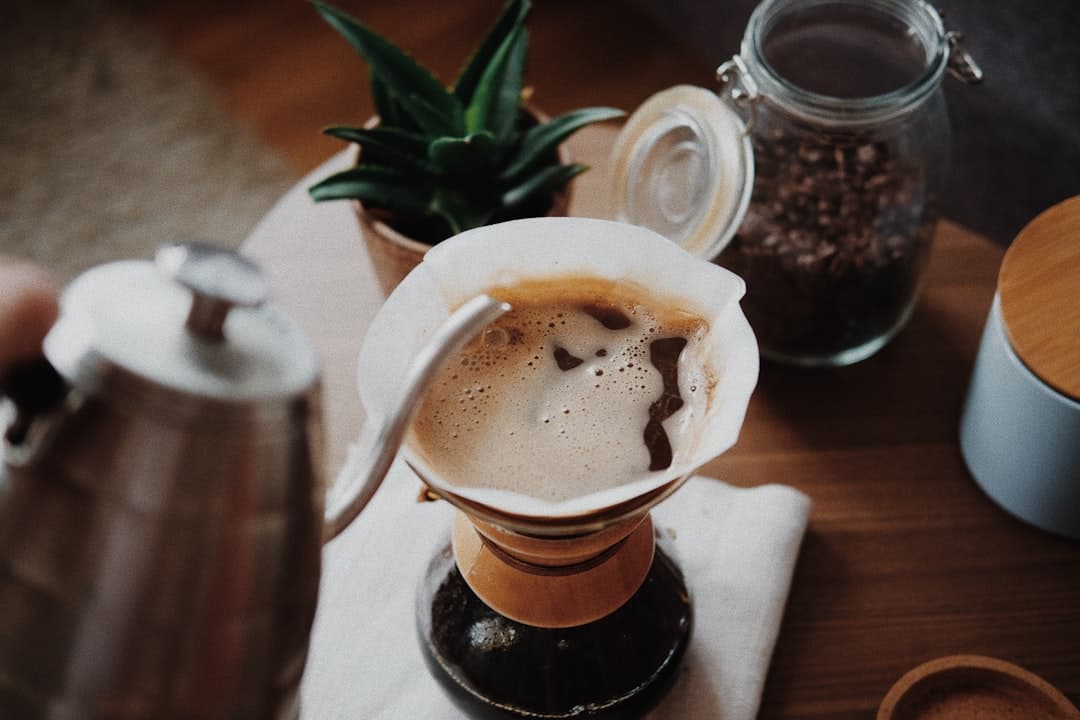
The best coffee brewing techniques share one principle: precise control of grind size, water temperature, and brew ratio produces better flavor than any piece of expensive equipment. Mastering these three variables helps to avoid a flat, forgettable cup from one with clarity, sweetness, and depth. Experience and extraction science all point to the same conclusion, that technique matters more than gear.
1. Essential variables for optimized coffee brewing
Grind size, brew ratio, and water quality (temp and mineralization) are the first variables that control flavor extraction. Mastering these core variables, with a quality coffee to start, delivers more impact than upgrading to a $500 machine. Get these right first, then consider equipment upgrades.
Brew ratio sets the foundation. The Specialty Coffee Association recommends a coffee-to-water ratio of 1:16 to 1:18 for hot brews and 1:8 to 1:10 for cold brew. These ranges give you a reliable starting point before you dial in for personal taste. However, do not be afraid to explore lower or higher, it is also subjective.
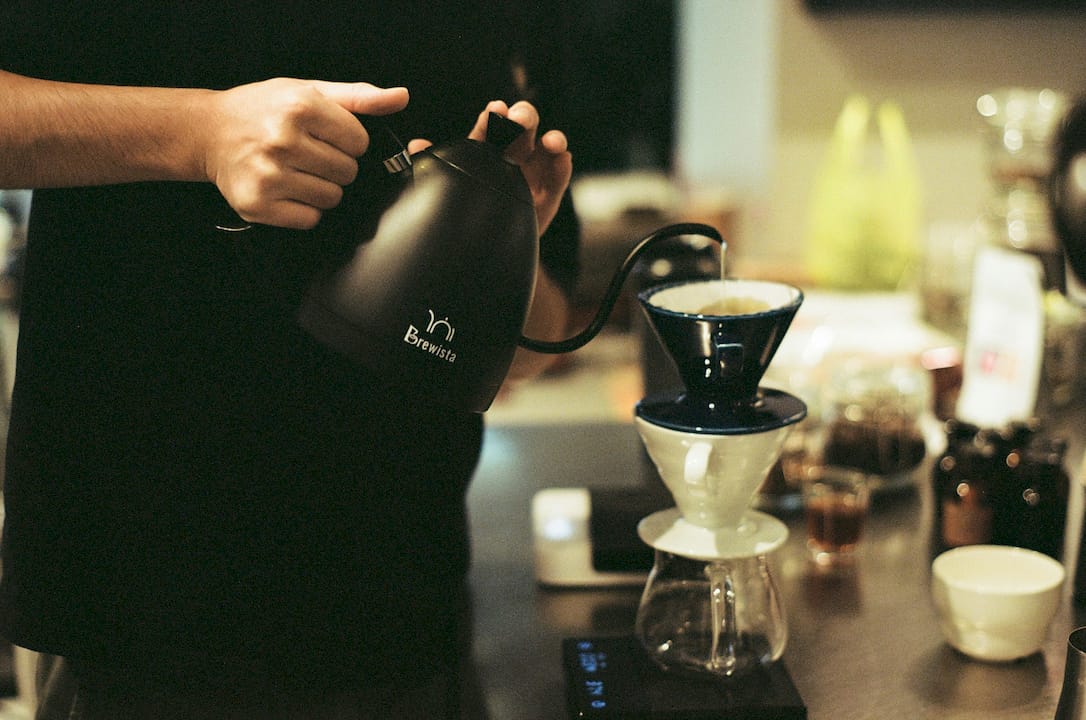
Water temperature shapes the chemistry of extraction. The ideal brewing temperature sits between ~190°F and 201°F (88-94 C), with water TDS between ~50 and 200 ppm and a pH between 6.5 and 7.5. Water outside this pH range pulls sourness or bitterness into the cup before the grind even matters. Keep in mind, these are averages and suggestions, and some will have 20ppm or 250ppm water depending on coffee, roast, brew style, and more. But this is a good starting point to explore.
Roast level changes your temperature target. Light roasts need higher temperatures — up to 201°F (and some will argue up to boiling…), while dark roasts (and decaf) perform better at ~ 190–197°F to avoid bitterness. Treating all roasts the same is one of the most common mistakes home brewers make.
-
Use a digital scale for both coffee and water. Weight-based measurements reproduce professional results far more reliably than volume-based scooping.
-
Choose a burr grinder over a blade grinder. Burr grinders produce consistent particle sizes critical for balanced extraction, while blade grinders create uneven particles that extract simultaneously too fast and too slow. The result is a cup that is bitter and sour.
-
Preheat your brewing vessel. The thermal mass of brewing equipment absorbs heat during extraction, so preheating your carafe or dripper reduces temperature loss and improves flavor balance. This is more or less important dependent on the material of your brewer.
Pro Tip: Freeze your whole beans before grinding. Freezing improves grind uniformity, reduces static, and produces cleaner particles for better extraction . This is a technique used by competition baristas that works just as well at home.
2. Pour-over brewing
Pour-over is the most controlled manual coffee brewing method available to home brewers. You direct every variable: water flow, pour speed, and contact time. That control produces a clean, bright cup with pronounced acidity and clarity.
The standard technique starts with a bloom. Pour twice the weight of water to coffee over the grounds and wait 30–45 seconds. This allows CO₂ to escape the freshly roasted beans. Skipping the bloom traps gas that disrupts water flow and creates uneven extraction.
Use a medium grind, similar to sea salt in texture. A gooseneck kettle gives you the pour control needed to saturate grounds evenly. Equipment costs run $15–$40 for the dripper itself, making pour-over one of the most affordable entry points into manual brewing.
Pour-over rewards patience and consistency. It has a steeper learning curve than French press or drip, but the flavor ceiling is higher.
3. French press brewing
French press uses full immersion, meaning the grounds steep directly in water for the entire brew time. The result is a full-bodied, rich cup with more oils and texture than filtered methods produce.
The brew time runs 4–5 minutes with a coarse grind. French press is one of the most forgiving methods available. You do not need a gooseneck kettle or precise pour technique. Add grounds, add water, wait, press, and pour.
The tradeoff is sediment. Fine particles pass through the metal mesh filter and settle at the bottom of the cup. Pouring slowly and stopping before the last inch of liquid minimizes this. French press equipment costs $20–$50, and the method suits anyone who prioritizes body and richness over clarity.
4. Cold brew concentrate
Cold brew is defined by a long, room-temperature or refrigerated steep of 12–24 hours with no heat applied. The extended contact time extracts flavor compounds without the acids that hot water pulls out quickly.
Cold brew reduces acidity by approximately 67% compared to hot-brewed methods. That reduction makes it the preferred choice for anyone with acid sensitivity or digestive discomfort from coffee. The flavor profile skews sweet, smooth, and chocolatey rather than bright or floral.
Use a coarse grind and a 1:8 to 1:10 ratio for concentrate. Dilute with water or milk before serving. Cold brew also stores well in the refrigerator for up to two weeks, making it the most convenient batch-brewing option for busy schedules.
5. Espresso
Espresso is defined by forcing hot water through finely ground coffee at 9 bars of pressure in 25–30 seconds. The result is a concentrated, syrupy shot with a layer of crema on top. Every other variable , grind, dose, tamp pressure, and water temperature, must be dialed in precisely for a balanced shot.
The grind for espresso is the finest of any common method, similar to powdered sugar in texture. Small grind adjustments produce dramatic flavor shifts. A shot that runs too fast tastes sour and thin. One that runs too slow tastes bitter and harsh.
Advanced espresso machines now offer pressure profiling, which varies pump pressure during extraction to unlock sweetness, clarity, and aromatic complexity beyond what fixed-pressure shots can achieve. This technique was previously limited to professional equipment but has become accessible to serious home baristas.
Espresso has the steepest learning curve and the highest equipment cost of any method covered here. The reward is unmatched intensity and the foundation for milk-based drinks like lattes and cappuccinos.
6. AeroPress brewing
AeroPress is a manual brewing device that combines immersion and pressure to produce a concentrated, smooth cup in under two minutes. It was designed for speed and portability, and it delivers both without sacrificing quality.
The AeroPress accepts a wide range of grind sizes and brew times, which makes it one of the most forgiving methods for experimenting with flavor. You can brew it like a short espresso-style concentrate or extend the steep for a longer, fuller cup. The paper filter removes oils and sediment, producing a cleaner result than French press.
AeroPress is the top choice for travelers, office brewers, and anyone who wants a quality cup without a complex setup. The device costs under $40 and requires no electricity.
7. Automatic drip brewing
Automatic drip machines are the most widely used home coffee brewing equipment in the United States. They automate water heating, flow rate, and brew time, removing most variables from the process. The tradeoff is less control over extraction quality.
The best automatic drip machines heat water to the 195–205°F range and distribute it evenly across the grounds. Budget machines often fall short of this temperature range, which leads to under-extraction and flat flavor. Equipment costs range from $50 to $300 and above for models that meet Specialty Coffee Association brewing standards.
Drip brewing suits households that prioritize convenience and batch size over precision. For the best results, use freshly ground coffee, a clean machine, and filtered water.
8. Troubleshooting and refining your brew
Flavor problems in coffee often trace back to three causes: grind size, brew ratio, or water. Identifying which variable is off fixes the problem faster than guessing.
Grind size directly controls extraction rate. A finer grind increases extraction speed; a coarser grind slows it down. Small changes produce large flavor shifts, which is why baristas treat grind adjustment as their primary control tool.
-
Sour or weak cup: The coffee is likely under-extracted. Grind finer, increase brew time, or raise water temperature.
-
Bitter or harsh cup: The coffee is likely over-extracted. Grind coarser, shorten brew time, or lower water temperature.
-
Flat or dull cup: Check bean freshness. Freshly roasted beans lose volatile aroma compounds within 15 minutes of grinding, so grind immediately before brewing.
-
Uneven extraction: Use the bloom technique. Blooming grounds for 30–45 seconds allows CO₂ to escape and water to saturate grounds evenly before the main pour. You may need a better grinder to get more uniform particles. Try grinding coffee from the freezer. Try double grinding - after you grind the grind one more time to try and improve particle size uniformity. This is an emergency “hack” not an acceptable brewing strategy.
Pro Tip: Keep a simple brew log. Record your grind setting, dose, water weight, temperature, and brew time for each session. After a few weeks, you will identify the exact parameters that produce your preferred cup consistently.
Bypass brewing offers another useful tool. This technique under-extracts a concentrated dose and then dilutes it with hot water. It separates extraction strength from serving strength, giving you cleaner flavor control without changing your grind.
9. Choosing the right method for your lifestyle
The right brewing method depends on three factors: your flavor preference, your available time, and your willingness to invest in equipment and skill.
| Method | Flavor Profile | Time Required | Equipment Cost | Skill Level |
|---|---|---|---|---|
| Pour-over | Clean, bright, complex | 3–6 minutes | $15–$40 | Intermediate |
| French press | Full-bodied, rich | 5–7 minutes | $20–$50 | Beginner |
| Cold brew | Smooth, low-acid | 16–24 hours | $20–$40 | Beginner |
| Espresso | Intense, concentrated | 2–5 minutes | $200+ | Advanced |
| AeroPress | Smooth, versatile | 2–3 minutes | ~ $30-$45 | Beginner |
| Automatic drip | Balanced, convenient | 5–8 minutes | $50–$300+ | Beginner |
Brewers who prefer a clean, bright cup with floral or citrus notes do best with pour-over. Those who want richness and body without much effort should start with French press. Anyone managing acid sensitivity gets the most relief from cold brew. Espresso suits dedicated enthusiasts who want to invest time in mastering a craft.
Key takeaways
The most effective coffee brewing approach controls grind size, water temperature, and brew ratio before spending money on equipment upgrades.
| Point | Details |
|---|---|
| Ratio matters most | Start with 1:15 to 1:18 for hot brew and 1:8 to 1:10 for cold brew as your starting point. |
| Grind fresh, grind right | Grind immediately before brewing and use a burr grinder for consistent particle size. |
| Temperature is roast-dependent | Brew light roasts at up to 205°F and dark roasts at 191–197°F to avoid bitterness. |
| Match method to lifestyle | Choose pour-over for clarity, French press for body, and cold brew for low acidity. |
| Log your parameters | Recording grind, dose, and time is the fastest path to consistent, repeatable results. |
What I have learned from years of brewing
The coffee world tends to celebrate equipment. New grinders, new machines, new gadgets. I understand the appeal, I have many gadgets I no longer use. But the single biggest improvement I have seen home brewers make has nothing to do with hardware. It comes from slowing down and paying attention to what is already in front of them, and water.
The most common mistake I encounter is inconsistency. Brewers change two or three variables at once when something tastes off, then cannot identify what actually fixed it. Changing one variable at a time, recording the result, and building from there is the method that actually works. It is slower. It is also the only approach that produces repeatable quality.
Fresh beans matter more than most brewers realize. I have tasted the difference between coffee ground 10 minutes before brewing and coffee ground the night before. The gap is not subtle. Grinding immediately before brewing is the single highest-return habit a home brewer can build, and it costs nothing.
My personal preference leans toward pour-over for mornings when I have time and AeroPress or French press when I may be busier. Both methods reward attention and punish shortcuts, which keeps the practice honest. If you want to go deeper on the science behind these methods, the resources at Keithlyons.org cover extraction chemistry, flavor development, and brewing history in far more detail than any single article can.
What The Complete World of Coffee offers home baristas
Keith Lyons, through Lyons Den Publishers, produced The Complete World of Coffee to give home brewers and working baristas a single, authoritative resource on the science and craft of coffee. The book covers extraction chemistry, brewing history, flavor profiles, and method-specific technique in full-color detail.
For anyone serious about improving their results at home, the depth of knowledge in that resource goes well beyond standard brewing guides. Visit Keithlyons to learn more about the book and the educational materials available for both enthusiasts and professionals. Precision brewing starts with understanding why each variable matters, and that understanding is exactly what the Lyons Den Publishers catalog provides.
FAQ
What is the best coffee-to-water ratio for home brewing?
The Specialty Coffee Association recommends a ratio of 1:16 to 1:18 for hot brews. Start at 1:17 and adjust based on your taste preference, going lower to 1:15 or 1:13, or higher up to 1:20.
Why does my coffee taste bitter?
Bitterness often signals over-extraction. Grind coarser, shorten your brew time, or lower your water temperature to bring the flavor back into balance.
What grinder type produces the best results?
A burr grinder produces consistent particle sizes that extract evenly. Blade grinders create uneven particles that cause simultaneous over-extraction and under-extraction in the same cup. Flat burr and conical burr grinders also have subtle differences, but just a decent burr grinder is where to start.
How does cold brew differ from iced coffee?
Cold brew steeps grounds in cold or room-temperature water for 16–24 hours, which reduces acidity by approximately 60-70% compared to hot-brewed methods. Iced coffee is simply hot-brewed coffee poured over ice.
Does water quality affect coffee flavor?
Water with a pH between 6.5 and 7.5 and a TDS between 75 and 250 ppm (not a rule) produces the most balanced extraction. Water outside these ranges introduces sourness or bitterness regardless of grind or ratio.