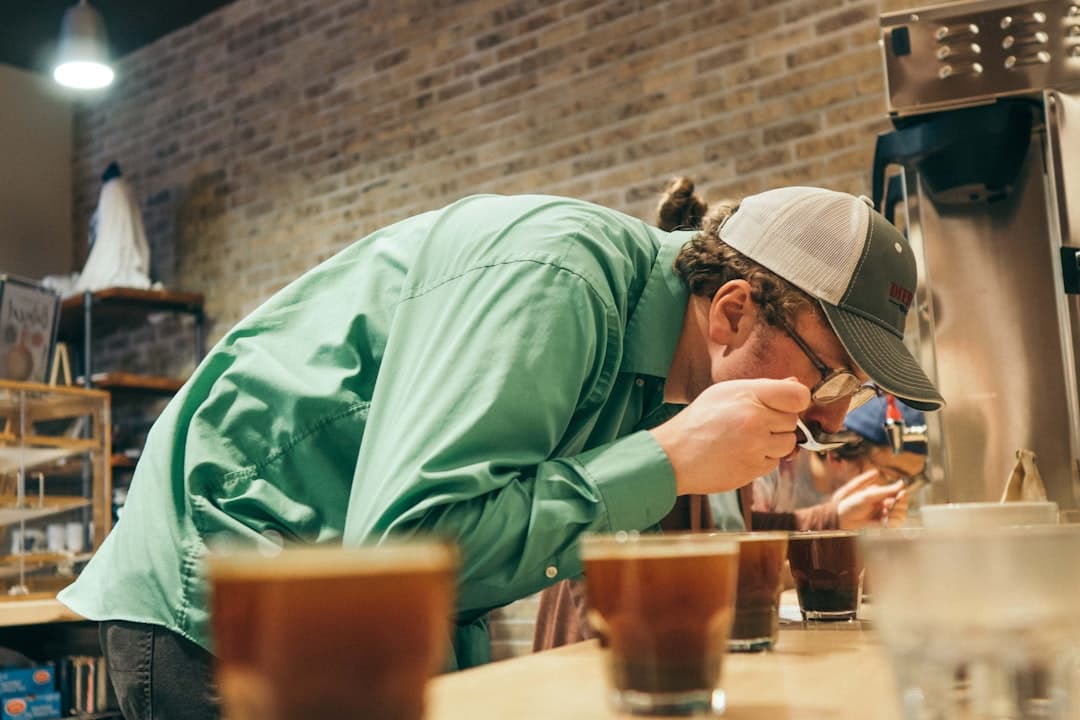
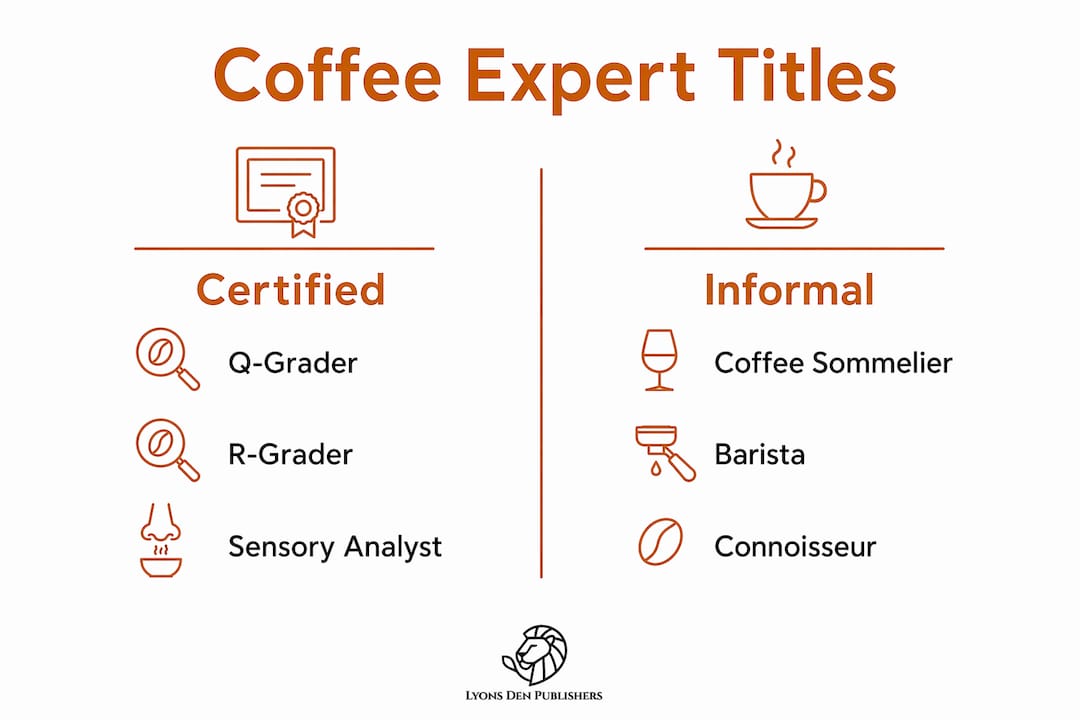
The recognized professional title for a coffee expert is Q-Grader, a certified specialist trained in rigorous sensory evaluation of coffee quality. Issued by the Coffee Quality Institute and administered through the Specialty Coffee Association, the Q-Grader credential is the closest equivalent the coffee world has to a master sommelier. Several other titles circulate in professional and enthusiast circles:
-
Q-Grader: the formal, internationally recognized certification for sensory evaluation of Arabica coffee
-
Barista: a skilled coffee preparation professional focused on brewing and service
-
Coffee roaster: a specialist in green bean processing and roast development
-
Sensory judge: an evaluator used in competitions and quality audits
-
Coffee trainer or consultant: an industry educator or advisory professional
-
Coffee sommelier: a popular public-facing term that most industry professionals equate with the Q-Grader role
-
Coffee connoisseur: an informal descriptor for an enthusiast with deep knowledge but no formal credential
The term “coffee sommelier” carries genuine appeal, but the specialty coffee industry treats it as an informal label rather than a standardized title. Q-Grader is the designation that carries weight in trading, quality control, and professional hiring.
What is the Q-Grader certification, and why does it matter?
The Q-Grader License is the premier professional qualification in specialty coffee, issued by the Specialty Coffee Association to individuals who complete the Q-Grader Course. It certifies that a professional can identify, describe, and communicate a coffee’s attributes with precision and consistency using a shared, research-backed methodology rooted in the Coffee Value Assessment.
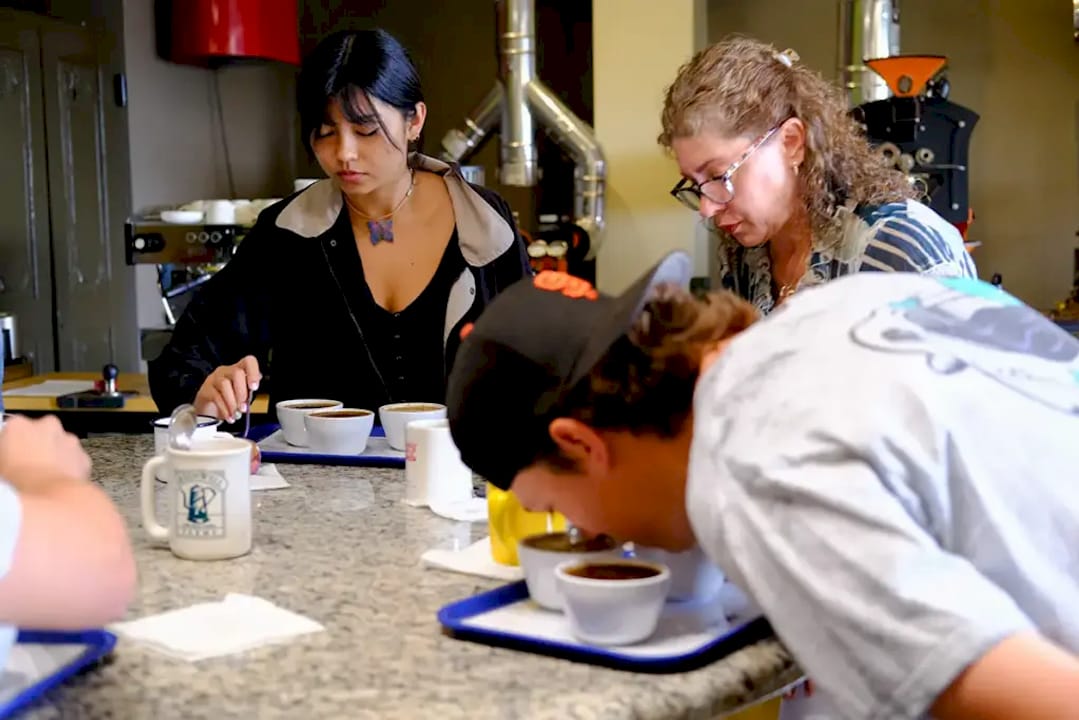
The exam process is deliberately demanding. Candidates complete an intensive six-day course and must pass 20 individual exams covering physical, descriptive, affective, and extrinsic attributes of coffee. This reflects how seriously the industry guards the credential. All practical exams must be passed to earn the license.
Once certified, a Q-Grader holds the license for three years, after which renewal is available without repeating the full six-day course.
Key skills and responsibilities covered by the certification:
-
Standardized cupping protocols aligned with the Coffee Value Assessment
-
Identification of defects in green (unroasted) coffee
-
Objective scoring of aroma, flavor, acidity, body, and finish
-
Sensory calibration and vocabulary for communicating quality to buyers and producers
-
Assessment of both physical and descriptive coffee attributes
| Certification element | Detail |
|---|---|
| Issuing body | Specialty Coffee Association / Coffee Quality Institute |
| Course duration | Six days |
| Number of exams | 20 |
| License validity | Three years, renewable |
| First-time pass rate | — |
| Primary focus | Sensory evaluation of Arabica coffee |
There are roughly 8,500 Q-Graders worldwide, working across quality control, green coffee trading, export, and import. A Q-Grader’s assessment directly influences the selling price of a green coffee lot, making the credential commercially significant well beyond the cupping table.
What informal titles do people use for coffee experts?
Outside formal certification, a range of descriptive titles reflects varying levels of coffee knowledge and passion. None carry a governing board or standardized criteria, but they serve a real communicative purpose in everyday and enthusiast contexts.
-
Coffee connoisseur: the most widely used informal title, reflecting deep sensory appreciation and dedication rather than a formal qualification
-
Coffee aficionado: similar in meaning to connoisseur, often used interchangeably in consumer media
-
Coffee enthusiast: a broad, accessible label for anyone with a serious interest in coffee culture and brewing
-
Coffeeholic or javaphile: playful, colloquial terms used in casual or social media contexts
-
Barista: a professional coffee maker skilled in espresso, milk technique, and beverage craft, though not a sensory certification in the Q-Grader sense
The barista title deserves particular clarity. A skilled barista understands extraction, grind calibration, and milk texture at a high level, but the role centers on preparation and service rather than objective quality grading. James Hoffmann, the 2007 World Barista Champion, built a globally recognized career as a consultant, author, and educator precisely because he moved beyond the bar into research and communication. His trajectory illustrates how barista expertise can evolve into broader coffee authority without a Q-Grader license.
Pro Tip: If you are describing your coffee knowledge in a professional context, “coffee connoisseur” works well for enthusiast audiences, but “Q-Grader” or “certified sensory professional” carries more weight with industry buyers and roasters.
How do certified titles differ from informal ones, and what roles exist?
The core difference between a Q-Grader and a coffee connoisseur title is objectivity. Q-Graders apply standardized protocols that produce repeatable, comparable scores. A connoisseur’s judgment, however informed, is personal and unverified by any external standard.
The Q-Grader functions more like an agricultural quality control scientist than a hospitality sommelier. Where a wine sommelier emphasizes pairing, service, and guest experience, a Q-Grader evaluates defects, grades raw material, and advises on pricing. The analogy to wine sommeliers is appealing to the public, but industry professionals actively prefer “Q-Grader” to avoid conflating two very different skill sets.
Distinct professional roles in the specialty coffee world include:
-
Barista: crafts and serves coffee beverages; customer-facing; skill-based but not a grading credential
-
Q-Grader: certified quality evaluator; works in trading, sourcing, and quality control
-
Roaster: transforms green coffee through heat application; expertise is in processing, not sensory grading
-
Coffee trainer: educates baristas, café staff, and enthusiasts; may or may not hold a Q-Grader license
-
Coffee consultant: advises businesses on sourcing, equipment, menu, and operations
-
Sensory judge: evaluates coffee in competition settings, often alongside or in addition to other roles
Career paths in specialty coffee rarely follow a single track. Competition success, as seen in figures like Stefano Cevenini (2019 World Espresso Champion and 2025 Italian Latte Art Champion), often runs parallel to consulting and training work, building professional authority through demonstrated performance rather than certification alone.
Which international certifications are recognized in the coffee industry?
The Q-Grader program, administered jointly by the Coffee Quality Institute and the Specialty Coffee Association, holds the broadest global recognition for coffee tasting certifications. The SCA also offers a structured Coffee Skills Program covering barista skills, brewing, roasting, sensory skills, and green coffee, each available at foundation, intermediate, and professional levels. These SCA credentials are widely accepted by specialty coffee employers across the United States and internationally.
For those focused specifically on caffeine’s role in sensory perception and alertness, understanding how stimulants affect taste evaluation adds a useful dimension to sensory training. The SCA’s Sensory Skills pathway addresses calibration and bias directly, which is why it complements Q-Grader preparation well.
The R-Grader designation, also issued by the Coffee Quality Institute, applies the same rigorous framework to Robusta coffee. It is less common than the Q-Grader but growing in relevance as Robusta gains ground in specialty markets.
Key Takeaways
The Q-Grader is the only internationally standardized professional title for a coffee expert, with all other terms serving informal or role-specific purposes.
| Point | Details |
|---|---|
| Q-Grader is the formal title | Issued by the Specialty Coffee Association and Coffee Quality Institute after 20 exams over six days. |
| Pass rate reflects difficulty | The historic first-time pass rate is approximately 40%, making it one of the most demanding food-industry credentials. |
| “Coffee sommelier” is informal | The specialty coffee industry prefers Q-Grader to emphasize technical grading over hospitality analogy. |
| Barista is a preparation role | Baristas specialize in brewing and service, not objective sensory grading or quality certification. |
| Multiple paths build expertise | Roasters, trainers, consultants, and competition winners each represent distinct coffee specialist job titles. |
For readers who want to explore coffee brewing techniques alongside the professional landscape, building sensory vocabulary at home is a natural first step toward any formal credential.
The world of coffee expertise is more structured than most enthusiasts realize. Whether you are pursuing a Q-Grader license, refining your palate as a dedicated connoisseur, or simply looking for the right language to describe your knowledge, the distinctions covered here reflect how the industry actually thinks about skill and authority. For a deeper grounding in the science, history, and culture behind every cup, The Complete World of Coffee by Keith Lyons offers the kind of reference that supports both casual curiosity and serious professional development.
Explore the full range of specialty coffee educational resources at Lyons Den Publishers and find the edition that fits where you are in your coffee journey.