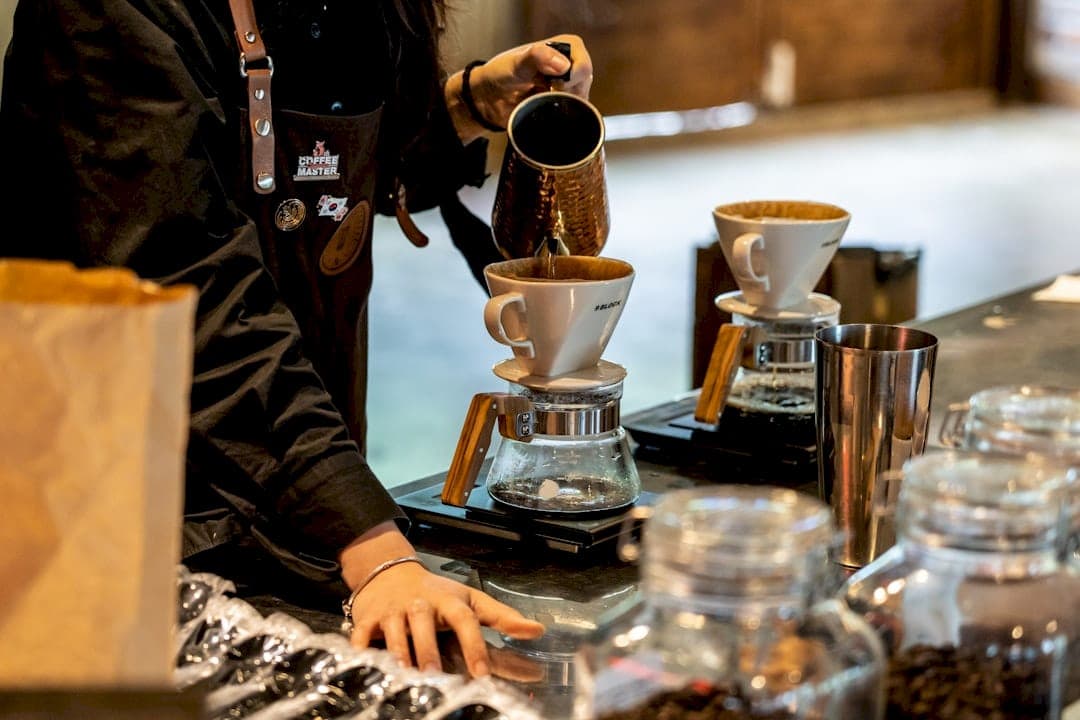
Coffee influencers are content creators who educate, entertain, and shape purchasing decisions within the specialty coffee community, operating across YouTube, TikTok, and Instagram. The most recognized figures, including James Hoffmann and Morgan Eckroth, have built audiences that rival traditional media outlets. Hoffmann alone holds over 2.5 million subscribers on YouTube, a number that reflects genuine demand for expert coffee education. These creators are not simply hobbyists with cameras. They function as taste-makers, brand partners, and increasingly, product founders who move markets. Understanding what separates one type of creator from another is the first step for any coffee enthusiast or marketer trying to navigate this space.
What makes coffee influencers different from each other?
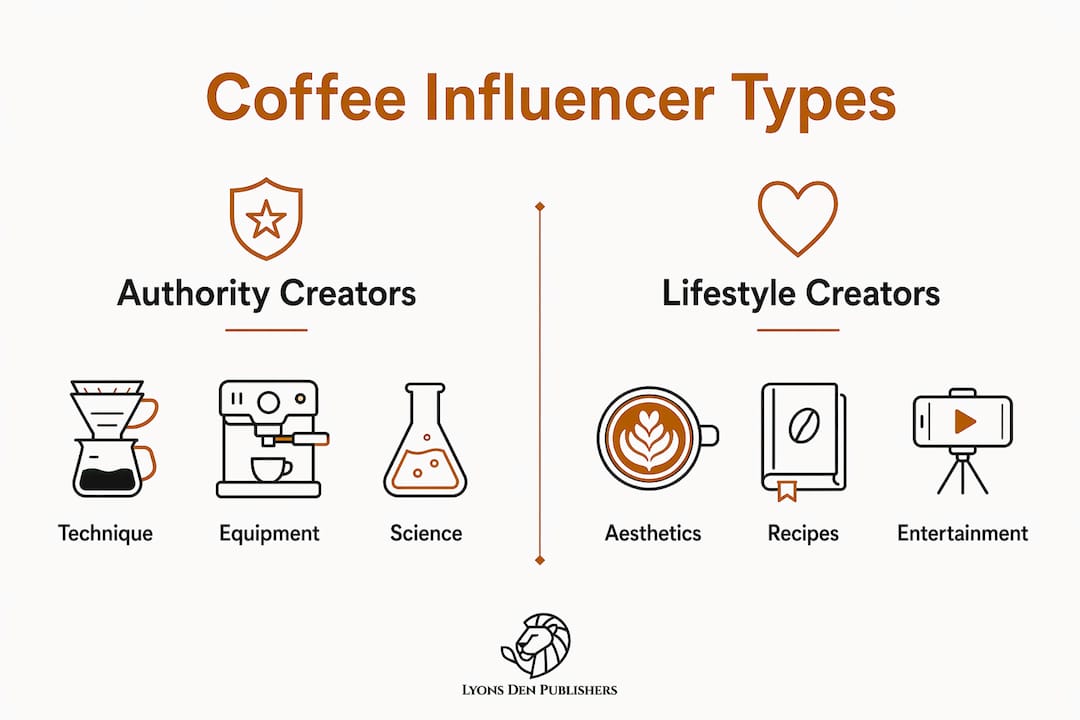
Two distinct creator categories define the coffee influencer space: authority creators and lifestyle or entertainment creators. Each serves a different audience need and delivers different value to brand partners. Recognizing the difference saves both time and money when choosing who to follow or collaborate with.
Authority creators
Authority creators build their audiences on technical knowledge. They cover extraction theory, water chemistry, grinder burr geometry, and equipment lifecycle analysis. James Hoffmann is the clearest example. His videos on espresso science and brewing variables attract viewers who want to understand coffee at a deeper level, not just enjoy it. This depth builds long-term trust with niche audiences who make considered, often expensive, purchases.
Lifestyle and entertainment creators
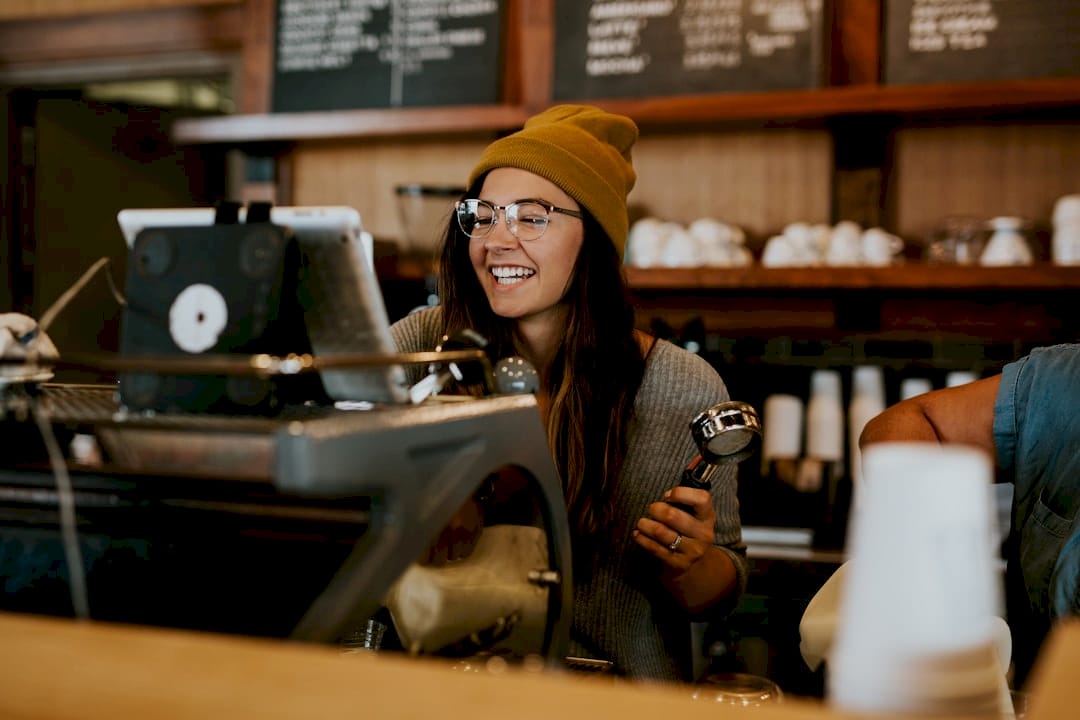
Lifestyle creators prioritize aesthetics, recipes, and relatable moments. Morgan Eckroth, a World Barista Championship competitor, bridges both camps by combining competition-level skill with approachable, personality-driven content. Creators in this category drive impulse purchases and trend adoption. Their content spreads faster because it requires no prior knowledge to enjoy. A visually striking iced latte recipe on TikTok reaches millions of viewers who have never heard of a refractometer.
Pro Tip: When deciding which type of creator to follow for learning, start with authority creators for technique and lifestyle creators for inspiration. The best coffee education combines both.
| Feature | Authority creators | Lifestyle creators |
|---|---|---|
| Content focus | Technique, equipment, science | Recipes, aesthetics, trends |
| Audience profile | Enthusiasts, professionals | General consumers, beginners |
| Purchase influence | High-end gear, specialty beans | Consumer drinks, packaged goods |
| Brand partnerships | Equipment brands, specialty roasters | Mainstream coffee chains, RTD brands |
| Content pace | Long-form, detailed | Short-form, high frequency |
How do coffee creators use different social media platforms?
Platform choice shapes everything about how a coffee creator delivers content and builds an audience. The same creator often behaves differently across platforms because each one rewards a different format and attention span.
-
YouTube rewards depth. Long-form videos allow creators to walk through a full brewing method, compare five espresso machines, or explain the Maillard reaction in roasting. Hoffmann’s subscriber count demonstrates that audiences will commit 20 minutes to a well-made coffee video when the information is genuinely useful. YouTube also builds the most durable archives. A video explaining pour-over ratios published three years ago still earns views and trust today.
-
TikTok rewards speed and novelty. Viral coffee recipes, satisfying latte art clips, and “coffee shop order” trends spread through TikTok’s algorithm regardless of follower count. A creator with 10,000 followers can reach 2 million viewers with a single well-timed video. This makes TikTok the most unpredictable but highest-reach platform for coffee content.
-
Instagram rewards visual quality. Latte art, café interiors, and styled flat-lay coffee setups perform best here. Instagram functions as a portfolio for coffee lifestyle influencers and a discovery tool for brands scouting aesthetic-aligned partners. Stories and Reels have added short-form video, but the platform’s core identity remains visual and aspirational.
Most successful creators maintain a multi-platform presence, but they typically anchor their strongest content to one platform that matches their format strengths. Spreading effort equally across all three usually dilutes quality. Readers who want to sharpen their own brewing knowledge alongside influencer content will find practical brewing techniques a useful companion resource.
What commercial impact are coffee influencers having on the specialty industry?
The financial scale of influencer-led coffee commerce is no longer speculative. YouTube coffee creators have generated approximately £3 million in brand revenue within their first year of launching product lines. That figure signals a structural shift: creators are no longer just promoting other people’s products. They are founding their own.
Starbucks recognized this shift directly. The company introduced a program in 2026 to pay baristas to create TikTok content, integrating employee social media presence into its marketing strategy. This move reflects how seriously major coffee chains now treat creator-driven content as a legitimate channel, not a supplementary one.
Cross-industry partnerships have also expanded coffee’s commercial reach. Patrick Mahomes, the Kansas City Chiefs quarterback, starred in a Throne Sport Coffee campaign in 2026, positioning coffee firmly within sports lifestyle marketing. This type of collaboration shows that coffee is no longer confined to culinary or café culture. It competes for attention alongside energy drinks and performance nutrition.
Pro Tip: If you are a marketer evaluating influencer ROI, track not just engagement rates but also secondary signals like search volume spikes for featured products after a video goes live.
| Commercial activity | Creator type | Estimated impact |
|---|---|---|
| Product line launch | Lifestyle or authority | £3 million in year one |
| Brand ambassador deal | Authority creator | Specialty equipment sales lift |
| TikTok content program | Employee barista creators | Mass consumer awareness |
| Sports star collaboration | Celebrity crossover | Lifestyle positioning, new demographics |
Authority creators drive sales of specialty equipment and single-origin beans because their audiences trust their technical judgment. Lifestyle creators move consumer packaged goods and ready-to-drink products because their content triggers craving and aspiration. Brands that confuse the two categories tend to run campaigns that reach the wrong audience entirely. Discovering indie roasters worth supporting is one area where authority creator recommendations carry particular weight.
How should brands choose and work with coffee influencers?
Choosing the right creator depends on what the product is and what the campaign needs to accomplish. Successful campaigns require a clear decision between deep trust and mass awareness before any outreach begins.
-
Match creator type to product category. Specialty espresso machines, grinders, and premium single-origin subscriptions belong with authority creators. Consumer cold brew cans, flavored syrups, and café chain promotions belong with lifestyle creators. Mismatching these creates content that feels inauthentic to the audience and underperforms.
-
Vet audience authenticity before committing. Follower counts are easy to inflate. Engagement rate, comment quality, and audience demographic data matter far more. A creator with 80,000 genuinely engaged specialty coffee enthusiasts delivers more value for a grinder brand than one with 500,000 passive followers who clicked for a recipe video.
-
Use discovery platforms to filter efficiently. Platforms like Flinque help brands identify creators with verified audiences aligned to specific marketing goals. Manual discovery through hashtag searches is time-consuming and misses important audience quality signals.
-
Build relationships, not one-off posts. Authority creators in particular resist single-post partnerships that feel transactional. Long-term collaborations produce more authentic content and earn more trust from the creator’s audience. A three-part series on a new espresso machine outperforms a single sponsored post every time.
-
Set clear deliverables and creative latitude. Coffee audiences are perceptive. They recognize scripted content immediately. Giving creators genuine freedom within a defined brief produces better results than providing a word-for-word script.
Key Takeaways
Coffee influencers divide into two distinct categories, and matching the right creator type to the right product or learning goal determines whether the engagement translates into real results.
| Point | Details |
|---|---|
| Two creator types exist | Authority creators build technical trust; lifestyle creators drive aspiration and impulse behavior. |
| Platform shapes content format | YouTube rewards depth, TikTok rewards speed, and Instagram rewards visual quality. |
| Commercial scale is real | Creator-led product lines have generated £3 million in year-one revenue, signaling a founder shift. |
| Brand matching matters | Specialty gear belongs with authority creators; consumer products belong with lifestyle creators. |
| Audience quality beats follower count | Engagement rate and demographic fit predict campaign performance better than raw subscriber numbers. |
The tension between education and entertainment is where the best creators live
The coffee influencer space has matured faster than most people in the specialty industry expected. When I look at how creators like James Hoffmann have built their presence, what stands out is not the subscriber count. It is the decision to treat the audience as intelligent adults who want to understand coffee, not just consume it. That approach is rarer than it sounds.
The uncomfortable reality is that most creator-brand partnerships still prioritize reach over relevance. A brand will chase a creator with five million TikTok followers for a specialty grinder launch when a 200,000-subscriber YouTube educator would convert at a far higher rate. The metrics that matter most, audience trust and purchase intent, are harder to see in a media kit.
What I find genuinely encouraging is the trend toward creators building beyond social media. Influencers who extend into books, roasting companies, or product lines create something more durable than a viral video. They build institutional knowledge that outlasts any algorithm change. That is the model worth watching, and worth supporting as a consumer.
My advice for readers engaging with coffee content creators: follow the ones who change how you think about coffee, not just what you order. The best coffee social media stars make you curious. They send you down a rabbit hole about water hardness or fermentation processing, and you come out the other side a more informed drinker. That is education doing its job through entertainment.
— Keith E Lyons
Curated coffee resources for the influencer-informed enthusiast
The creators shaping specialty coffee culture have raised the bar for what enthusiasts expect from their daily cup. Lyons Den Publishers has assembled a curated selection of coffee resources that reflect the same depth and quality those creators champion.
The Coffee Bundle Sales collection at Lyons Den Publishers brings together products and references aligned with the trends top coffee content creators discuss most. Whether you are building a home brewing setup or deepening your knowledge of specialty coffee, the collection offers a starting point grounded in the same values that define the best coffee education online. Explore the full range at Lyons Den Publishers and take your coffee practice further.
FAQ
Who are the most influential coffee creators right now?
James Hoffmann leads the authority creator category with over 2.5 million YouTube subscribers, while Morgan Eckroth bridges technical skill and entertainment across multiple platforms. Both represent the standard for credible coffee content in 2026.
What is the difference between authority and lifestyle coffee influencers?
Authority creators focus on technique, equipment, and science, building trust with enthusiasts who make considered purchases. Lifestyle creators prioritize recipes, aesthetics, and relatable content that drives impulse buying and trend adoption.
How do coffee influencers make money?
Coffee influencers earn through brand partnerships, sponsored content, and increasingly through their own product lines. Creator-led coffee brands have generated approximately £3 million in revenue within a single year, reflecting a shift from promotion to product founding.
How can I become a coffee influencer?
Start by choosing one platform that matches your strengths, either YouTube for depth, TikTok for reach, or Instagram for visual content. Build authority through consistent, accurate, and genuinely useful content before pursuing brand partnerships.
How do brands find the right coffee influencer to work with?
Brands use discovery platforms like Flinque to identify creators with verified, demographically aligned audiences. Matching creator type to product category, authority creators for specialty gear and lifestyle creators for consumer products, is the most reliable predictor of campaign success.