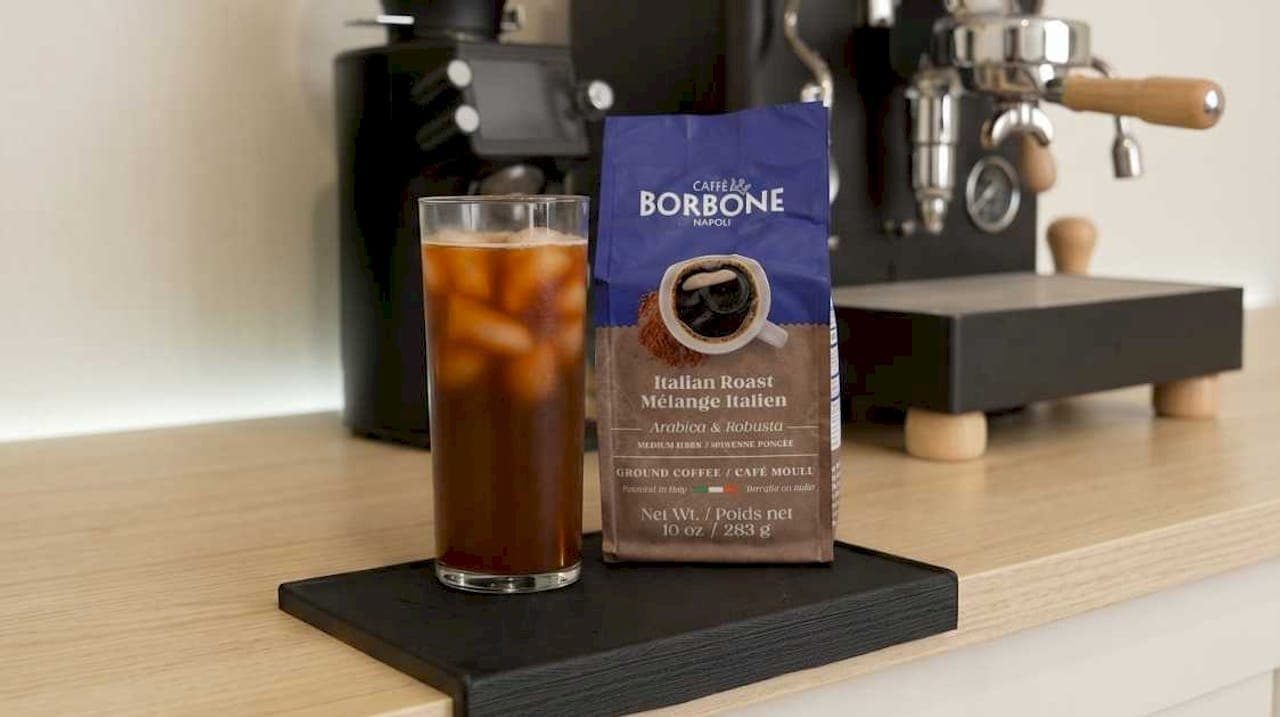
Espresso tonic is a sparkling coffee drink made by combining chilled tonic water with freshly pulled espresso over ice to create a layered, effervescent beverage. The drink’s appeal comes from the tension between coffee’s natural bitterness and the quinine sharpness of tonic water. These two bitter notes don’t cancel each other out. They amplify each other in a way that is genuinely surprising the first time you taste it. The best espresso tonic recipes are built on a handful of precise choices: roast profile, tonic brand, ice size, and pour order. Get those right, and you have a drink that rivals anything from a specialty café.
What do you need for great espresso tonic recipes?
The quality of your espresso tonic starts with ingredient selection, not technique. Every element in the glass affects the final flavor.
Espresso roast profile is the most consequential choice. Light to medium roasts work best because their fruity, floral acidity complements tonic’s quinine bitterness. Dark roasts push the drink into an unpleasant double-bitter territory that most people find harsh. A single-origin Ethiopian or Colombian espresso with citrus or berry notes is an ideal starting point.
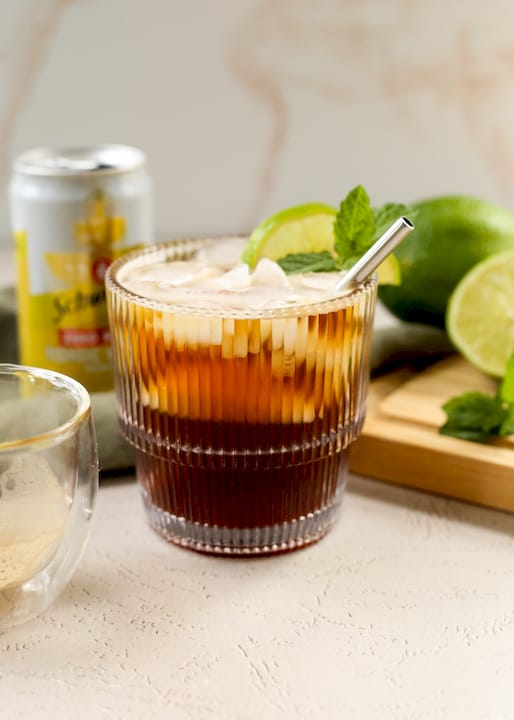
Tonic water is the second critical variable. Fever-Tree Indian Tonic is the standard recommendation among specialty coffee professionals because it delivers balanced bitterness and strong carbonation without artificial sweetness. Generic supermarket tonic waters tend to be overly sweet and lose carbonation quickly. If you want a fruit-forward coffee to shine, a Mediterranean-style tonic with lighter quinine works better than a classic Indian tonic.
Ice matters more than most home brewers expect. Large ice cubes slow melting, preserve carbonation, and prevent rapid dilution. Four to five large cubes or a single ice sphere are the practical standards. Crushed ice melts too fast and flattens the drink within minutes.
Optional add-ins include:
-
Citrus peels (grapefruit, lemon, orange) for aromatic oils
-
Simple syrup or honey syrup for sweetness
-
Cardamom bitters for spice
-
Fresh citrus juice (up to 30ml) for brightness
Equipment you need:
-
An espresso machine, AeroPress, or Moka pot for concentrated coffee
-
A tall, clear glass (at least 12 oz) for visual layering
-
A long bar spoon for the pour technique
-
A measuring jigger for consistent ratios
Pro Tip: Chill your glass in the freezer for five minutes before building the drink. A cold glass slows ice melt and keeps carbonation intact longer.
How do you make an espresso tonic at home?
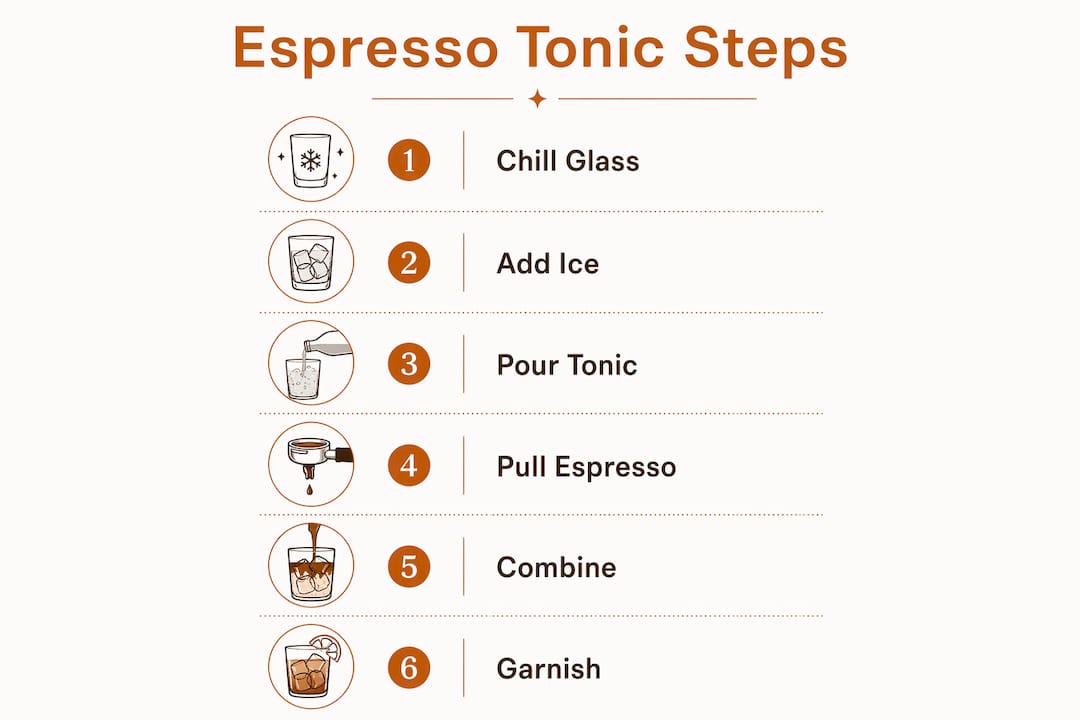
The classic espresso and tonic recipe follows a specific sequence. Changing the order produces a flat, muddy drink instead of a layered one.
-
Pull your espresso shot. Use 18–20g of ground coffee to produce a 40–50ml double shot. Set it aside to rest.
-
Rest the espresso for 10–30 seconds. Resting the shot allows it to cool slightly, which prevents it from melting the ice too fast and triggering immediate CO2 release in the tonic.
-
Fill your glass with large ice cubes. Pack them in firmly so they don’t shift when you pour.
-
Pour 150ml of chilled tonic water over the ice. Pour gently down the side of the glass to minimize agitation and preserve bubbles.
-
Layer the espresso on top. Hold a long bar spoon just above the tonic surface and pour the espresso slowly over the back of the spoon. This technique, borrowed from cocktail bartending, controls the pour rate and creates the signature dark-over-light gradient.
-
Garnish and serve immediately. Add a citrus peel or a few drops of bitters. Serve within 60 seconds to preserve fizz and aroma.
Pouring hot espresso directly onto tonic water causes an immediate CO2 explosion and strips the drink of its carbonation before you take a single sip. The rest period and the spoon technique are not optional steps. They are the difference between a sparkling, layered drink and a flat, muddy glass of coffee water.
Common mistakes to avoid:
-
Skipping the rest period and pouring espresso while it is still steaming
-
Using crushed ice instead of large cubes
-
Stirring the drink after pouring, which collapses the layers and releases carbonation
-
Using warm or room-temperature tonic water
Pro Tip: The 1:3 espresso-to-tonic ratio (50ml espresso to 150ml tonic) produces the most balanced result. Go 1:2 for a coffee-forward drink or 1:4 for something lighter and more sparkling.
What are the best espresso tonic variations to try?
The classic tonic coffee recipe is a foundation, not a ceiling. Once you understand how the base drink works, flavor variations become straightforward to build.
Lavender vanilla espresso tonic uses 10ml of lavender vanilla syrup added directly to the tonic before pouring. The floral sweetness softens the quinine edge and pairs well with a light-roast Ethiopian espresso. Make the syrup by steeping dried lavender in a 1:1 simple syrup for 20 minutes, then straining.
Ginger lime espresso tonic adds 15ml of fresh lime juice and 5ml of ginger syrup to the tonic. The lime’s acidity amplifies the coffee’s brightness, and the ginger adds a clean heat. This variation works best with a medium-roast Colombian or Guatemalan espresso.
Elderflower espresso tonic uses 20ml of elderflower cordial in place of simple syrup. The floral, lightly sweet character of elderflower complements fruity espresso without overpowering it. Use a Mediterranean-style tonic here rather than Indian tonic for a lighter quinine profile.
Chai spice espresso tonic adds 15ml of chai concentrate to the espresso before pouring. The warm spice notes of cinnamon, cardamom, and clove create an unexpected contrast with the cold, sparkling tonic. A medium-dark roast works here because the spice masks some of the roast’s bitterness.
Citrus mint espresso tonic combines a 30ml addition of fresh grapefruit juice with a few torn mint leaves placed in the glass before the tonic. Grapefruit juice and citrus peels release essential oils that add complexity and aroma to the finished drink.
| Variation | Key add-in | Best roast pairing |
|---|---|---|
| Lavender vanilla | Lavender vanilla syrup (10ml) | Light roast, Ethiopian |
| Ginger lime | Lime juice (15ml) + ginger syrup (5ml) | Medium roast, Colombian |
| Elderflower | Elderflower cordial (20ml) | Light roast, fruit-forward |
| Chai spice | Chai concentrate (15ml) | Medium-dark roast |
| Citrus mint | Grapefruit juice (30ml) + mint | Medium roast, citrus notes |
A note on sweeteners: never add raw honey directly to cold tonic water. It will not dissolve and leaves a grainy, unpleasant texture. Pre-mix honey with an equal part of warm water to create a honey syrup, then add it to the tonic before pouring. The same rule applies to any thick or granular sweetener.
Pro Tip: When adding bitters or cordials, stir them into the tonic before adding ice. This distributes flavor evenly without disturbing the espresso layer later.
How do you fix common espresso tonic problems?
Most espresso tonic failures trace back to three causes: wrong temperature, wrong ice, or wrong tonic. Each has a direct fix.
Flat drink with no fizz is almost always caused by pouring hot espresso directly onto the tonic. Hot espresso triggers immediate CO2 release, collapsing carbonation before the drink reaches the glass. Rest the shot for at least 10 seconds and use the spoon technique on every pour.
Overly bitter flavor usually means a dark roast espresso combined with a high-quinine Indian tonic. Switch to a light or medium roast and consider a Mediterranean tonic with lower quinine content. You can also adjust the ratio to 1:4 to dilute the bitterness.
Rapid dilution and watery finish points to small or crushed ice. Replace with large cubes or a single ice sphere. The larger the ice surface, the slower the melt rate.
Sweetener that won’t dissolve is a honey or raw sugar problem. Pre-dissolve all sweeteners into a syrup before they touch cold liquid. A 1:1 honey-to-warm-water syrup dissolves instantly in cold tonic.
Layering failure happens when espresso is poured too fast or from too high above the glass. Slow the pour and keep the spoon close to the tonic surface. The goal is to float the espresso on top, not drive it through the tonic.
-
Use chilled tonic water straight from the refrigerator, not room temperature
-
Avoid tonic brands with artificial sweeteners, which create an off-flavor when combined with coffee
-
Adjust the espresso-to-tonic ratio in small increments (try 1:2.5 before committing to 1:2)
-
Taste the tonic alone before building the drink. If it tastes flat or overly sweet from the bottle, it will taste worse with espresso
Key takeaways
The best espresso tonic starts with a light or medium roast espresso, a quality tonic water, large ice cubes, and the correct pour order: tonic first, espresso last over a spoon.
| Point | Details |
|---|---|
| Roast profile matters | Use light or medium roast espresso to complement tonic’s quinine without doubling the bitterness. |
| Pour order is non-negotiable | Always pour tonic over ice first, then layer espresso over the back of a spoon to preserve fizz. |
| Rest your espresso shot | Let the shot cool for 10–30 seconds before pouring to prevent carbonation collapse. |
| Use large ice cubes | Large cubes slow dilution and keep the drink sparkling longer than crushed ice. |
| Pre-dissolve sweeteners | Mix honey or sugar into a warm-water syrup before adding to cold tonic for smooth incorporation. |
Why the espresso tonic changed how I think about home brewing
I first encountered an espresso tonic at a small specialty café in Portland, and my honest reaction was skepticism. Tonic water in coffee sounded like a gimmick. I ordered it anyway, mostly out of curiosity, and the first sip stopped me cold. The bitterness was layered in a way I had never experienced in a coffee drink. It was sharp and clean, not heavy or roasty.
When I started making it at home, I got it wrong for weeks. I used dark roast because that was what I had. I poured the espresso straight in without resting it. The results were flat and harsh. The moment I switched to a light-roast single-origin and started treating the pour order as seriously as I would a cocktail, the drink clicked.
What I find most rewarding about this coffee soda recipe is that it rewards attention to detail in a way that is immediately visible. You can see the layers in the glass. You can hear the carbonation. The visual feedback makes you a more deliberate brewer. That quality, the ability to see your technique reflected in the drink, is rare in home coffee preparation.
The variations are where the real creativity lives. The elderflower version is the one I return to most often. It has an elegance that feels out of proportion to how simple it is to make. If you are new to espresso tonic, start with the classic ratio, get the technique right, and then start experimenting. The process is as satisfying as the result.
— Keith
More coffee knowledge at Keithlyons
Keithlyons is the home of The Complete World of Coffee, a full-color guide to specialty coffee from farm to cup. The book covers brewing science, flavor profiling, and preparation methods with the depth that coffee enthusiasts and working baristas both need. If the espresso tonic sparked your interest in how coffee flavor actually works, the complete coffee guide at Keithlyons goes much further. You will find the science behind roast profiles, extraction ratios, and water chemistry explained in practical terms. Visit Keithlyons to read more brewing guides and share your own espresso tonic creations with a community of serious coffee lovers.
FAQ
What is the best espresso-to-tonic ratio?
The balanced standard ratio is 1:3, meaning 50ml of espresso to 150ml of tonic water. Use 1:2 for a stronger, coffee-forward drink or 1:4 for a lighter, more sparkling result.
Can I use an AeroPress instead of an espresso machine?
Yes. An AeroPress brewed with a fine grind and a short steep produces a concentrated shot that works well in an espresso tonic. The key is concentration, not the specific machine.
Why does my espresso tonic taste flat?
Flat espresso tonic is almost always caused by pouring hot espresso directly onto the tonic water. Rest the shot for 10–30 seconds and use the back-of-spoon technique to preserve carbonation.
What tonic water works best for this drink?
Fever-Tree Indian Tonic is the most widely recommended option because it balances bitterness and carbonation without artificial sweetness. For fruit-forward espressos, a Mediterranean-style tonic with lighter quinine is a better match.
Can I make an espresso tonic without an espresso machine?
Yes. A Moka pot or AeroPress produces coffee concentrated enough to hold its own against tonic water. Standard drip coffee is too weak and will be overwhelmed by the tonic’s flavor.